The Webcam Model Business Plan Guide: Turn Your Cam into a Career
Learn how to create a winning webcam model business plan. Turn your cam into a profitable career with this complete strategic guide.
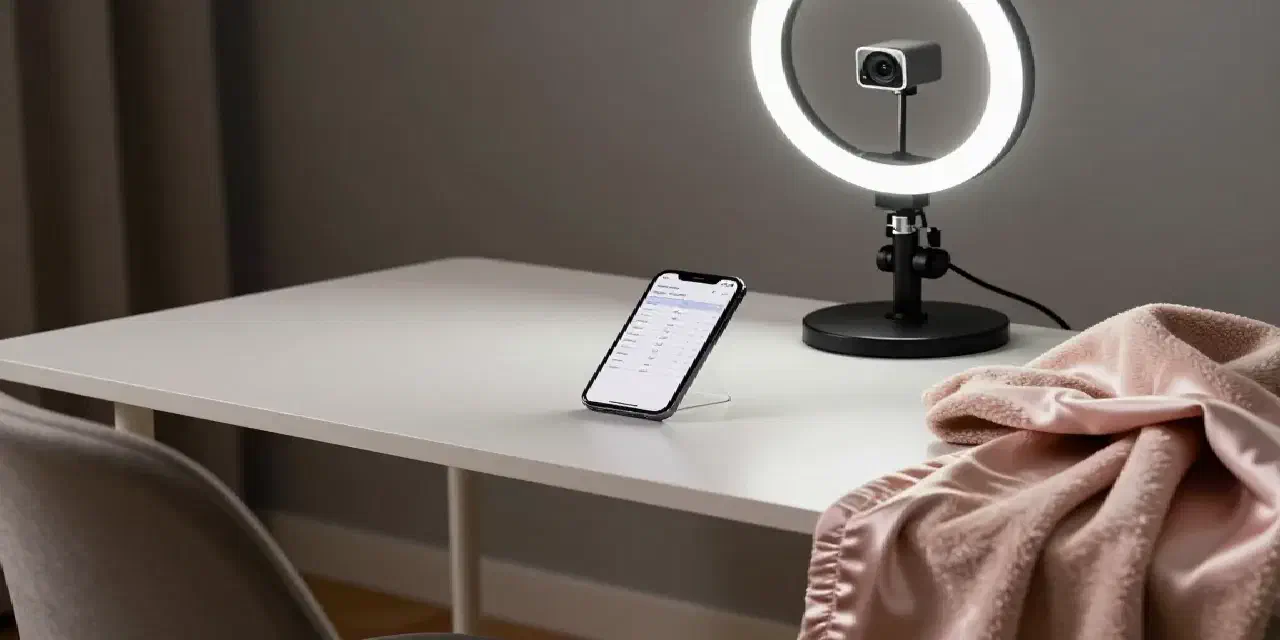
Turning a webcam into a career takes more than logging on and hoping for the best. It demands a clear-eyed strategy that safeguards your income, privacy, and well-being. This guide offers a practical, legal, and financial roadmap for building and sustaining a webcam modeling business—covering everything from compliance and platform choice to branding, privacy protections, and long-term wellness. Whether you’re starting from scratch or fine-tuning an early-stage operation, you’ll find actionable steps grounded in real-world logistics, not hype. No income guarantees are promised here, but you’ll gain the tools to create a resilient, professional venture on your own terms.
Legal and Regulatory Foundations
Verifying Identity, Age, and Consent
Before you ever turn on your camera, you must establish an airtight legal identity. Every reputable platform requires models to complete rigorous age and identity verification. That means submitting a clear, current government-issued ID—such as a passport or driver’s license—and often participating in a live verification call where a compliance agent compares your face to your documents. This process is non-negotiable, and it protects both you and the platform from catastrophic legal liability. Do not attempt to circumvent it, and never use a fake or borrowed identity. The consequences range from permanent platform bans to criminal fraud charges.
Consent documentation is equally critical, especially if you plan to collaborate with other performers or produce recorded content for later sale. Every person who appears on camera must sign a model release form that explicitly states their consent to be filmed, photographed, and distributed. This paperwork should be stored securely and permanently—use encrypted cloud storage with backup copies—because you may need to prove consent years later if a dispute arises or a platform demands verification. For recorded content, keep a detailed log of who appears, when the footage was shot, and what rights each person granted. If you ever hire a camera operator, editor, or assistant, they must also sign confidentiality and work-for-hire agreements to ensure you retain full ownership of your content.
Navigating Local Laws and Taxation
Adult content laws vary dramatically by jurisdiction, so you cannot assume that what is legal in one country, state, or city is legal in another. Before you begin, research your local regulations on obscenity, record-keeping, and labor rights. Some regions impose strict labeling requirements on adult media, others mandate specific record-keeping for identifying information, and a few have zoning or licensing rules that affect where you can legally perform. Ignorance of these laws is not a defense, so consult an attorney who specializes in adult industry law if your situation is anything beyond the simplest solo webcam setup.
Taxation is the other pillar of your legal foundation. Treat every dollar you earn as self-employment or business income from day one, even if you are just testing the waters. Register as a business entity where appropriate, open a separate bank account for your cam income, and track every deductible expense meticulously: high-quality webcams and lighting, reliable internet service, costumes and lingerie, makeup, props, and even a portion of your rent if you have a dedicated studio space. Set aside at least twenty-five percent of each payout for quarterly estimated tax payments, because failing to pay on time triggers interest and penalties that can erode your profit margin. Keep digital receipts for every purchase and reconcile your records monthly so that tax season is a simple data transfer, not a frantic scramble.
Platform Selection and Revenue Strategy
Choosing where to broadcast shapes your income, workflow, and long-term growth. The landscape isn’t monolithic; each platform runs on its own economic logic, audience demographics, and creative constraints. Grasping these differences is your first move toward a sustainable business.
Comparing Revenue Share and Payout Structures
The payout split grabs your attention first. Platforms typically take a commission of 20% to 50% of your earnings. But this isn’t a simple deduction. A site with a heftier cut might deliver far more traffic, so you need fewer viewers to hit the same income. A lower-commission site, on the other hand, could draw a smaller or more niche crowd, forcing you to hustle for every token or dollar. Payout frequency matters too: some sites pay weekly, others bi-weekly, and some monthly. If steady cash flow keeps you afloat, a weekly schedule can be a lifeline, while a monthly cycle demands tighter budgeting. Content restrictions are just as vital. A platform that bans nudity or specific fetishes might clash with your brand, even if its revenue share tempts you. There’s no universal “best” platform. The pro move is to test two or three at once, spend a few weeks on each, and see which aligns with your niche, your audience’s spending habits, and your comfort level. Let data, not hearsay, steer your primary choice.
Building a Multi-Platform Presence
Relying on one platform is a gamble no serious operator should take. A technical glitch, a policy shift, or a sudden ban can wipe out your income overnight. Diversifying across two or more platforms builds a safety net and taps into different viewer pools. Yet this strategy demands strict compliance with each site’s terms of service. Many platforms explicitly prohibit directing users to your personal website or other cam sites within chat or direct messages. Break those rules, and you risk withheld earnings or a permanent ban. Read the fine print carefully before promoting anything. A compliant workaround is a “link-in-bio” page on a social media profile not directly monetized by the cam platform. That lets fans find your other offerings—a clip store, a fan club, or a tip menu—without you violating platform-specific rules. Treat your platform presence as a portfolio: each site serves a distinct purpose, but your brand and direct ties to your most loyal viewers remain your most portable assets.
Startup Costs and Workspace Setup
Essential Equipment and Budgeting
Your initial investment as a webcam model can range from a few hundred to a few thousand dollars, depending on how ambitious you are from day one. At the core, four non-negotiable items stand out: a high-definition webcam with at least 1080p output, a ring light or softbox setup for flattering illumination, a reliable high-speed internet connection with a wired ethernet option, and a private space you can treat for sound. A quality webcam alone costs between $80 and $250, while lighting ranges from $40 to $300, depending on whether you choose a basic ring light or a multi-point softbox arrangement. Internet service with upload speeds suitable for streaming runs $60 to $120 per month, and acoustic foam panels or heavy curtains for sound treatment add another $50 to $200. The smartest approach is to start with minimal gear—just the essentials for a clear broadcast—and upgrade only as your income stabilizes. Avoid financing luxury items like 4K cameras or elaborate sets until you have several months of consistent earnings. Taking on debt for unnecessary equipment is a common trap that erodes your profit margins before you even begin.
Creating a Professional and Safe Environment
Your workspace is your stage, and its design directly impacts viewer retention. Set up your camera at eye level, position your light source to eliminate harsh shadows on your face, and choose a background that is either a clean neutral tone or a themed aesthetic matching your brand persona. Keep the space clutter-free and test your audio for echo or background hum before every session. Beyond aesthetics, safety is paramount. The room must have a lockable door, and you should install a privacy screen on any monitor facing a window. Use a separate device—or at minimum a separate user profile—and a dedicated business email for all platform communications, payment processing, and social media accounts. This separation protects your personal data from leaks and keeps your private life from bleeding into your professional persona. Never share your real name, location, or identifiable details on camera, and verify that your streaming software does not inadvertently display desktop notifications or personal files. A professional environment is not just about looking good; it is about creating a boundary that keeps you secure while you build your brand.
Branding, Marketing, and Audience Engagement
Developing a Unique Persona
Your persona is your product. In a sea of thousands of webcam models, a generic “pretty girl” or “handsome guy” won’t command attention or loyalty. A memorable persona is a deliberate construction—blending your authentic interests with a stylized character your audience can latch onto. Start with your name: short, easy to spell, and evocative of the vibe you want to project, whether that’s girl-next-door, dominatrix, or geeky gamer. Then define your visual style: the hair, makeup, wardrobe, and set design that reinforce that identity. Finally, set your interaction tone. Are you a teasing conversationalist, a silent and mysterious presence, or a high-energy party host? Consistency is crucial. If your profile promises a nurturing “mommy” persona but your live show is full of bratty insults, viewers will feel betrayed and click away. Carry your persona across your profile bio, your social media thumbnails, and every minute of your live stream. That repetition builds a recognizable brand viewers seek out specifically, transforming casual traffic into a dedicated fan base willing to pay for your time and attention.
Marketing Within Platform Rules
Your cam site gives you a stage, but you must build the audience that fills it. The most effective strategy is using mainstream social media to funnel curious users to your paid shows. However, this is a minefield of terms of service. Before you post a single teaser, read the adult content policies for X (formerly Twitter), Instagram, TikTok, and Reddit. These rules dictate what you can show—usually no nudity, but suggestive poses are often fine—and, critically, whether you can include links to your cam room. Many platforms block direct links, so you might need a link-in-bio service that hosts your cam page URL safely. To keep your content pipeline flowing without getting banned, rely on teaser clips: short, SFW (safe for work) snippets of a costume change or a playful expression that hint at the show without revealing it. Post behind-the-scenes photos of your set-up or a candid thought about your day to humanize the persona. Create a content calendar—posting three times per week, for example—so your audience learns when to expect new material. This consistent, rule-abiding presence keeps you top-of-mind and drives traffic organically, without risking the account that feeds your business.
Privacy, Security, and Wellness
Protecting Your Identity and Content
Your real name, home city, and daily routines are the keys to your offline life—guard them fiercely. Create a dedicated stage name and use separate email addresses, social media profiles, and payment accounts for your webcam work. Enable geoblocking in your streaming software to automatically hide your broadcast from your home region, keeping friends, family, or local acquaintances from stumbling upon your channel. This also lowers the risk of public recognition.
Content piracy is an unfortunate reality here. Viewers can record your streams and redistribute them without consent. Watermark every piece of content—live or pre-recorded—with your stage name or logo. Run regular reverse-image searches on your photos and clips to spot unauthorized uploads. Prepare a takedown plan in advance: know DMCA procedures for major platforms, keep a template for legal removal requests, and consider a piracy-protection service that automates the process. Doxxing—the malicious release of your personal information—is another threat. Never share your real name, address, or workplace details in any public or private chat, and be wary of viewers probing for personal facts disguised as casual conversation.
Setting Boundaries and Managing Mental Health
Before going live, write down a clear list of what you will and will not do on camera. This is non-negotiable. Communicate your limits in your bio and repeat them firmly in chat when tested. You are never obligated to perform any act, regardless of tips or pressure. Enforce boundaries consistently; one exception can set a dangerous precedent.
The emotional toll of camming is real. Screen time can blur into endless hours, so schedule sessions like a professional shift—with a hard start and end time. Take a ten-minute break every hour to stretch, hydrate, and step away. Build a support network outside work: a few trusted peers who understand the industry, a non-judgmental close friend, or a therapist specializing in sex-work-affirming care. Regular check-ins help process difficult interactions and prevent burnout. If your mood, sleep, or self-image slips, treat it as seriously as a physical injury—step back, adjust your schedule, and seek professional help. Your well-being is the foundation of your business; protect it as diligently as your identity.
Turning Your Cam into a Career
This guide has covered every layer of the webcam modeling business—from legal registration and platform selection to budgeting, branding, and the personal safety protocols that keep your work sustainable. The key takeaway? Webcam modeling isn’t a passive side hustle; it’s a real enterprise that thrives on intentional structure. Treat it like a business, and it will pay you like one. Your next step is to stop researching and start executing: pick one platform, set up your legal entity, and draft a one-page brand plan that defines your niche, schedule, and monthly revenue target. Then, test your setup with a single week of consistent streams, using the analytics to refine your content and pricing before scaling. The camera is already on—now it’s time to build the career you control.
Frequently asked questions
What is a webcam model business plan guide?
Do I really need a business plan if I'm just starting out as a webcam model?
What are the key sections every webcam model business plan should include?
How do I determine my pricing and revenue streams in the plan?
What equipment costs should I list in the business plan?
How do I market myself as a webcam model within the business plan?
How do I handle taxes and legal compliance in my business plan?
What are common mistakes to avoid when writing this business plan?
How often should I update my webcam model business plan?
Can this guide help me if I want to work for a studio instead of independently?
Related guides
The Real Cost of Starting a Webcam Model Business: A Complete Expense Breakdown
Thinking about camming? Discover the true webcam model business startup costs and expenses, from equipment to marketing, in this complete financial breakdown.
Read more
From Bedroom to Bank Account: The Complete Guide to Running a Profitable Webcam Business from Home
Learn how to run a profitable webcam modeling business from home. Get setup tips, legal advice, and marketing strategies to maximize your income.
Read more
Webcam Modeling as a Business: The Real Profit Numbers and Hidden Costs
Thinking about webcam modeling as a business? See the real profit numbers behind the income, plus the hidden costs that impact your true earnings.
Read more