The Webcam Model’s Playbook: Your Step-by-Step Guide to Getting Started
Ready to become a webcam model? This step-by-step playbook covers gear, platforms, pricing, and safety to launch your camming career successfully.
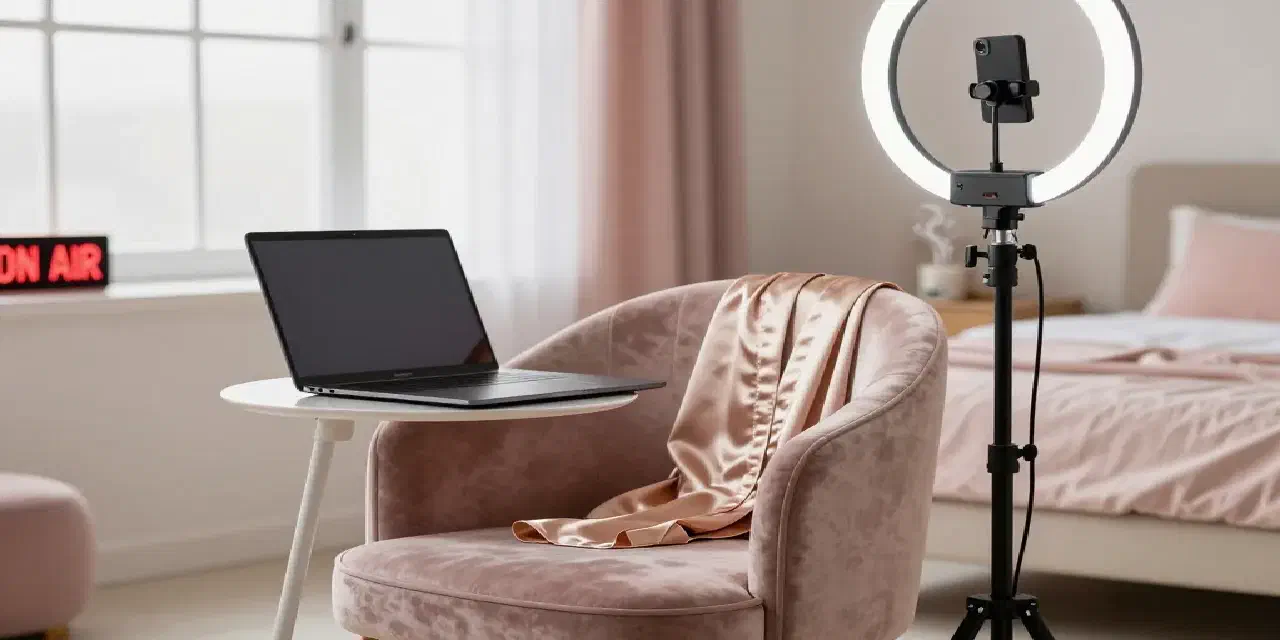
Working from home in front of a camera, setting your own hours, and controlling your income sounds undeniably appealing. But becoming a webcam model involves far more than just logging on. Whether you’re drawn by financial freedom, creative expression, or sheer curiosity, your path is paved with practical decisions, legal pitfalls, and financial strategies that can make or break your success. This guide walks you through the entire journey: selecting the right platform, safeguarding your anonymity, navigating taxes, and building a sustainable, profitable career. By the end, you’ll have a clear, actionable playbook to start with confidence—and thrive safely in an industry that rewards preparation over guesswork.
Understanding the Legal and Contractual Framework
Before you ever turn on a camera, build a foundation of legal awareness. This isn’t just bureaucratic red tape—it’s the framework that protects your income, your identity, and your creative work. Skip this stage, and you risk losing everything you build.
Age and Identity Verification Requirements
Every legitimate platform enforces strict age verification. You must be at least 18 years old to work as a webcam model, though some platforms and payment processors enforce a minimum age of 21 due to adult content restrictions or financial policies. This is non-negotiable, and the verification process is thorough.
To complete your registration, you will need a government-issued ID and must sign a model release form before your first broadcast. This form legally confirms that you are an adult and consent to the platform hosting and distributing your content. Prepare for this step by doing the following:
- Verify the platform’s specific age policy before signing up. Some sites are 18+, others are 21+. Choosing the wrong one wastes your time and could flag your application.
- Prepare a clear, unexpired passport, driver’s license, or national ID. The document must be legible, with all corners visible. Blurry or cropped photos are rejected.
- Never use a fake or altered ID. This leads to permanent bans, forfeiture of any earned funds, and serious legal liability, including potential fraud charges.
Reading the Terms of Service and Content Ownership
The Terms of Service (ToS) is the most important document you will read as a webcam model, yet it is also the most ignored. Platform agreements typically require a broad license to use your content for promotional purposes—think preview clips, banner images, or social media ads—but you retain the copyright to your work. However, the specifics vary wildly between platforms.
You must understand exactly how your videos and images may be reused. Does the platform have the right to sell your content to third-party sites? Can they use your likeness in ads without additional payment? Equally critical is the deletion policy: can you permanently remove content, or does it linger in the platform’s archives? Finally, consider the exit clause. What happens to your content and your follower base if you leave the platform? Some sites impose exclusivity clauses that prevent you from working elsewhere, while others penalize you for deleting your account.
“If you don’t understand a clause about content licensing or exclusivity, ask the platform’s support team in writing before you agree.”
A written response creates a paper trail you can rely on if disputes arise later. Never rely on verbal assurances or forum gossip. Treat the ToS as a binding contract—because it is. When in doubt, consult a lawyer who specializes in digital content or adult entertainment law. The consultation fee, typically ranging from €150 to €400 per hour, is a fraction of the cost of a legal battle.
Setting Up Your Equipment and Studio on a Budget
Your first live broadcast doesn’t require a Hollywood-grade production studio. In fact, you can launch a professional-looking stream for somewhere between $100 and $500 in total, and that investment will pay for itself within your first few weeks if you approach your setup strategically. The golden rule is to prioritize clarity over complexity: viewers forgive a modest backdrop, but they will click away if they can’t see you or hear you properly.
Essential Gear and Cost Breakdown
Start with three core pieces of hardware, and resist the urge to overspend on extras you don’t yet need. A solid 1080p webcam is your foundation, and you can expect to pay anywhere from $50 to $200 for a model that handles low-light situations gracefully. The cheaper end of that range will still produce crisp images in a well-lit room, while the pricier options offer better color accuracy and smoother frame rates. Next, lighting is non-negotiable—it’s the difference between looking washed out and looking radiant. A ring light with adjustable brightness or two softboxes will run you between $30 and $150. Place your primary light source slightly above eye level and angled toward your face, not directly behind you, to avoid harsh shadows. Finally, a microphone is often the most overlooked element. A USB condenser mic or a clip-on lapel mic costs between $20 and $80 and will ensure your voice comes through warm and clear, without the tinny echo of built-in laptop speakers. If you have a little room left in your budget, consider a neutral backdrop—a solid-colored curtain or a simple fabric tapestry—to define your aesthetic, plus a few props that hint at your niche without cluttering the frame.
Creating a Private and Professional Space
Your physical environment matters just as much as your gear. Choose a room with a door you can lock from the inside, both for safety and for uninterrupted broadcasts. Good sound insulation helps, so opt for a space away from street noise, creaky floorboards, or the hum of a refrigerator. Before you ever go live, run a test session: sit in your camera’s frame, adjust your lighting, and check that your face is sharp and your background is clean. Remove mirrors, personal photographs, or anything bearing your real name, address, or workplace—these are inadvertent privacy leaks that can compromise your anonymity. A blank wall or a tasteful curtain works best. Also, angle your camera so that your head and shoulders fill the frame comfortably, with a little breathing room above your head. This small adjustment instantly makes your space feel more professional and puts the focus squarely on you.
Choosing the Right Platform and Managing Payments
Your choice of platform is the single most consequential business decision you will make as a webcam model. It determines how much money you take home, how often you get paid, who sees your content, and whether your style of performance finds an audience. Do not rush this. Treat it like a job interview—you are interviewing the platform as much as they are vetting you.
Platform Selection Criteria
Start by researching the major cam sites side by side. Scrutinize commission rates first; they typically range from 20% to 50% of your earnings. A site that takes a 50% cut might still be more profitable if it drives far more traffic to your room, so never judge a platform on commission alone. Next, look at payout frequency. Some platforms pay weekly, others bi-weekly, and a few offer daily payouts once you hit a threshold. Payout thresholds vary from $20 to $500, and processing times range from instant to several days. If you need cash flow to survive your first month, a lower threshold with faster processing matters more than a slightly better commission split.
Traffic volume is another critical factor. Established sites with millions of daily visitors give you a built-in audience, but they also have thousands of models competing for attention. Smaller niche sites might have fewer viewers, yet those viewers are often more loyal and willing to spend on specific content. Consider whether the platform is friendly to your niche—some sites cater to specific fetishes or body types, while others offer broader audiences. Read independent reviews from current and former models, not just the promotional material on the site’s own blog. Pay special attention to complaints about payment reliability, sudden policy changes, or poor model support.
Setting Up Your Payment and Tax Profile
Once you have selected a platform, register as an independent contractor. Do not mix your webcam earnings with your personal checking account—open a separate business bank account immediately. This makes bookkeeping dramatically simpler and protects you if you are ever audited. Track every expense related to your work: equipment, internet, and a portion of your rent or utilities, as these may be deductible. In most countries, webcam income is taxable, so set aside a percentage of every payout for tax obligations. A good rule is to transfer 25% to 30% of each payout into a dedicated savings account before you spend a cent of it. That way, when tax season arrives, you are not scrambling to find money you already spent.
Protecting Your Privacy and Personal Safety
Your safety and privacy form the foundation of any lasting webcam career. Logging on creates a digital footprint—one that can lead straight back to you if you’re careless. This isn’t paranoia; it’s professionalism. Your real life and your on-screen persona must stay entirely separate.
Anonymity and Geo-Blocking Strategies
Start with a rock-solid alias. Your stage name is your brand, but it should never echo your real name, nickname, or anything a sharp viewer could use to track down your personal profiles. Make it unique, memorable, and completely disconnected from who you really are.
- Create a dedicated persona: Pick a distinctive stage name and set up a separate, anonymous email address for all platform communications, payouts, and registrations. Keep your personal inbox out of every site-related transaction.
- Utilize geo-blocking aggressively: This tool is your strongest shield. Every reputable platform lets you block specific countries, states, or cities. Block your own city, your home region, and anywhere your family, friends, or colleagues live. That way, people from your physical world won’t stumble onto your stream.
- Conduct regular content sweeps: Once a month, grab a few screenshots from your stream and run them through a reverse-image search like Google Images or TinEye. This reveals whether your content has been stolen and reposted on pirated sites or social media, so you can file DMCA takedown requests.
Managing Boundaries and Viewer Interactions
Your stream belongs to you, and you set the rules. Define what you will and won’t do from day one, then enforce those boundaries consistently. Make one exception, and viewers will expect it every time.
Use the platform’s blocking and reporting features without hesitation. Abusive or disrespectful users—or anyone pushing your limits—get blocked immediately. Skip the long arguments; a quick block says enough. Also, keep a hard line between work and personal life. Never share your real social media handles, and consider using a reputable VPN whenever you access your dashboard or manage your account. That extra layer of encryption hides your IP address, making it far harder for anyone to locate you or identify your internet provider. Safety isn’t a luxury here—it’s a non-negotiable requirement for lasting success.
Building a Sustainable Career and Managing Income Variability
Developing Your Brand and Niche
The most successful webcam models treat their work as a business, and every business needs a clear identity. Start by identifying a niche that aligns with your comfort level and interests—whether that’s a specific look, a girl-next-door personality, or a particular content style like role-play or fitness-themed shows. Your niche should feel natural to you, as audiences can sense when you’re forcing it. Once you’ve chosen your lane, consistency becomes your greatest asset. Show up at the same times each week, maintain a recognizable appearance, and keep a predictable interaction style. This reliability builds a loyal audience who knows when to find you and what to expect. Engage with regular viewers by remembering their names and preferences, but always maintain professional boundaries. You can be warm and attentive without sharing personal contact details or revealing your real-life location. Your persona is a product, not your entire self.
Your earnings are not guaranteed. Treat your first months as an investment in learning what works, not as a fixed salary.
Financial Planning and Growth Strategies
Webcam modeling income fluctuates wildly based on audience size, hours worked, your chosen niche, and the platform’s commission structure, which typically takes between 20% and 50% of your earnings. Never rely on a single revenue stream. Diversify by offering premium content like photo sets or pre-recorded videos, selling custom requests, and maintaining a presence on multiple platforms to hedge against sudden algorithm changes or account issues. Reinvest a portion of your earnings—ideally 10% to 20%—into better lighting, a higher-quality camera, or targeted marketing on social media. Set weekly earning goals and track your performance to identify your peak hours and which content types drive the most tips or private shows. Use that data to refine your schedule and focus your creative energy where it pays off.
- Save 20–30% of every payout for taxes, as you will be classified as an independent contractor.
- Create a content calendar to maintain a steady stream of new material, preventing burnout and keeping your page fresh.
- Consider affiliate programs or fan clubs to supplement live stream income with passive revenue during off-hours.
Conclusion
Becoming a webcam model isn’t just about switching on a camera—it’s a deliberate process rooted in preparation, self-protection, and business-minded planning. Know the legal requirements, invest in basic equipment, guard your privacy, and plan for fluctuating income; these steps build a safe, sustainable career. Treat it as a profession from day one: set boundaries, manage your finances, and prioritize your well-being. Your next move is straightforward—review local regulations, secure anonymity tools, and draft a starter budget for a reliable camera and lighting setup. With those foundations laid, you can create your profile with confidence and take your first shift.
Frequently asked questions
What equipment do I need to start as a webcam model?
How do I choose the right platform to work on?
What are the legal requirements to become a webcam model?
How much money can I realistically make as a beginner?
How do I protect my privacy and identity while camming?
What should I do to build a regular audience?
How do I handle negative comments or trolls during a live show?
What are the common mistakes new webcam models make?
How do I set boundaries and decide what to do on camera?
What about taxes and legal paperwork for cam income?
Related guides
Your Step by Step Guide to Passing the Webcam Model Signup Process Without the Guesswork
Learn the webcam model signup process explained step by step. Avoid guesswork with checklists, do’s and don’ts, and clear next actions for fast approval.
Read more
The Complete Guide to Becoming a Webcam Model While Keeping Your Identity a Secret
Learn how to become a webcam model and stay anonymous with proven strategies, privacy tools, and step-by-step safety tips to protect your identity.
Read more
How to Start Webcam Modeling With No Experience and Make Money Your First Week
Learn how to start webcam modeling with no experience. Get actionable steps, gear tips, and proven tactics to earn money your first week.
Read more